
The Hidden Cost of Upgrades: Understanding the E-Waste Environmental Impact
Key Takeaways
Definition: Electronic waste (e-waste or WEEE) comprises any discarded device with a battery or power cord.
Growth Rate: Generating over 62 million metric tons annually, e-waste is the world's fastest-growing domestic waste stream.
Primary Hazards: Toxic heavy metals (lead, mercury, cadmium) and persistent organic pollutants leach into soil and aquifers or contaminate the air during informal recycling.
Solution: Transitioning from a linear "take-make-dispose" model to a circular economy through urban mining, right-to-repair policies, and certified e-Stewards or R2v3 recyclers.
Every year, millions of consumers replace functioning smartphones, laptops, and smart home appliances in pursuit of faster processors, sharper screens, and newer features. While this constant turnover fuels rapid technological innovation, it creates a massive, under-addressed waste stream: electronic waste, or e-waste.
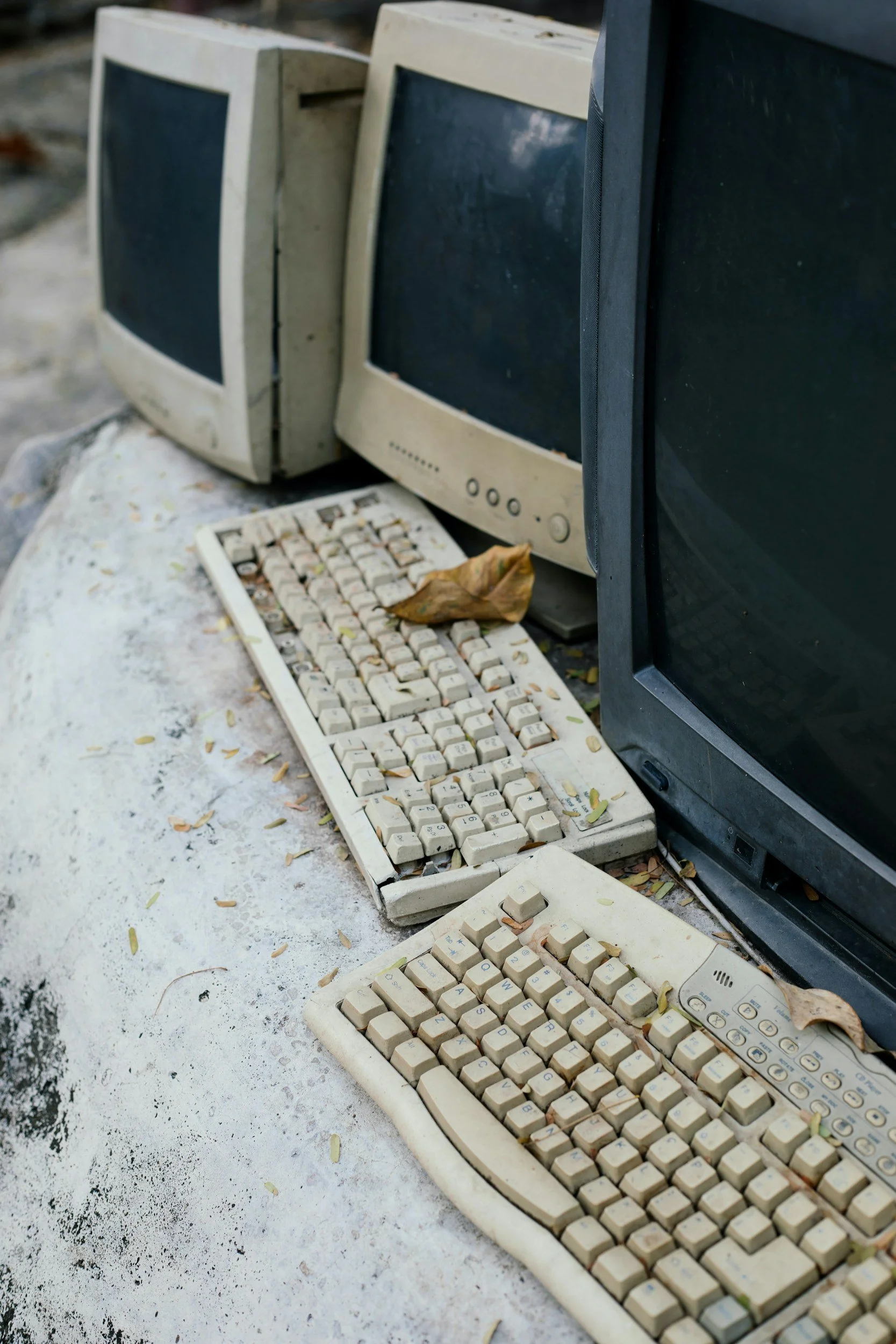
The e-waste environmental impact has escalated into one of the most pressing ecological challenges of modern history. When discarded devices are thrown into municipal trash bins rather than processed through specialized facilities, they do not simply decompose. Instead, they linger in landfills, leaking toxic substances into ecosystems, wasting precious non-renewable materials, and endangering global health.
Understanding the mechanics of e-waste, the hazardous substances hidden inside everyday gadgets, and the paths to responsible disposal is essential for modern technology consumers.
What Is E-Waste and Why Is It Growing So Fast?
Electronic waste—officially designated as Waste Electrical and Electronic Equipment (WEEE)—includes any discarded product containing an electrical circuit, battery, or power supply. This category ranges from personal tech like smartphones, laptops, and wireless earbuds to household appliances, medical equipment, and solar panels. For a deeper breakdown of categories and disposal basics, see What is Electronic Waste (e-waste) and How to Recycle It.
According to the UN's Global E-waste Monitor, humanity generates over 62 million metric tons of e-waste annually, a figure projected to reach 82 million tons by 2030. Less than 23 percent of this volume is formally documented and recycled under safe environmental standards.
| Metric | Value |
|---|---|
| Generated | 62+ million metric tons / year |
| Formally recycled | Less than 23% |
| Unaccounted / landfilled / informally processed | More than 77% |
Several structural factors drive this accelerating waste stream:
- Shorter Device Lifespans: Modern consumer electronics have shorter functional lifespans due to degrading lithium-ion batteries and software updates that render older processors obsolete within three to five years.
- Planned Obsolescence: Manufacturers frequently design devices that are difficult or cost-prohibitive to repair—using glued battery compartments, proprietary screws, and restricted spare parts access.
- Rapid Innovation Cycles: Annual marketing cycles create a psychological incentive for continuous upgrades, leading consumers to retire fully functional devices prematurely.
- Decreasing Cost of Production: Globalized manufacturing has lowered purchase costs, shifting consumer perception of basic tech from durable investments to disposable goods.
- Regulatory Lag: In many regions, Extended Producer Responsibility (EPR) frameworks and "Right to Repair" legislation remain under-enforced, leaving municipal systems overwhelmed.
Toxic Materials in E-Waste: What Is Inside Your Electronics?
While safe during regular operation, discarded electronics become severe biohazards when exposed to landfill moisture, crushed in municipal trash trucks, or burned in open pits. A single circuit board can contain dozens of hazardous elements alongside valuable raw materials.
| Substance | Common Device Components | Health & Environmental Hazards |
|---|---|---|
| Lead | Microchip soldering, legacy CRT displays, lead-acid batteries | Causes central nervous system impairment, kidney damage, and developmental disorders in children. |
| Mercury | Cold-cathode display backlights, switches, printed circuit boards | Bioaccumulates in aquatic food webs as methylmercury; causes severe neurological damage. |
| Cadmium | Rechargeable Ni-Cd batteries, semiconductor chips, chip resistors | Human carcinogen that accumulates in the kidneys and weakens skeletal structures. |
| Beryllium | Copper-beryllium alloys in motherboards and connectors | Inhalation causes chronic beryllium disease (CBD), an incurable lung disorder. |
| Hexavalent Chromium | Metal housing coatings and anti-corrosion treatments | Strong carcinogen that damages cellular DNA and causes persistent soil toxicity. |
| Brominated Flame Retardants (BFRs) | Plastic casings, circuit boards, cable insulation | Endocrine disruptors that persist in the environment and accumulate in human tissue. |
| Polyvinyl Chloride (PVC) | Cable jacketing and wire insulation | Releases dioxins and furans when burned at low temperatures, contributing to bioaccumulative air pollution. |
These aren't abstract risks—devices like old TVs, batteries, and consumer electronics routinely end up in curbside trash. Learn more in The Dark Side of Consumer Electronics: Hidden Costs of E-Waste.
The Broader Effects of Electronic Waste on Ecosystems
When electronics enter untreated waste streams, their toxic constituents disperse through soil, water systems, and the atmosphere. The ecological degradation often impacts vulnerable communities near landfills or informal recycling centers in developing countries, where global e-waste is frequently exported under the guise of second-hand goods.
Landfill Disposal ➔ Leachate Formation ➔ Groundwater Pollution ➔ Agricultural Accumulation ➔ Human/Animal Ingestion
Soil Degradation and Leachate Formation
Rainwater percolating through unlined landfills dissolves toxic chemicals from discarded hardware, creating a concentrated liquid called leachate. Heavy metals in leachate alter soil pH, destroy beneficial microbial biomass, and render agricultural land toxic for crop production.
Aquatic Bioaccumulation and Biomagnification
When leachate reaches groundwater, streams, or coastal ecosystems, persistent contaminants enter the food web. Aquatic organisms absorb trace heavy metals, which magnify in concentration as they move up the trophic hierarchy (biomagnification), resulting in high toxicity levels in apex marine predators and human seafood supplies.
Atmospheric Contamination via Open Burning
In informal processing hubs (such as Agbogbloshie in Ghana or regions across Southeast Asia), workers burn electrical cabling and circuit boards in open air to strip plastic insulation and recover high-value metals like copper and gold. This process releases toxic particulate matter, dioxins, and polycyclic aromatic hydrocarbons (PAHs) into the air, causing regional atmospheric pollution and severe respiratory disease. Emerging waste streams like solar panels carry similar risks if mishandled—see Breaking Down the Rules: Solar Panel Disposal Regulations Simplified.
The Economics of E-Waste: Linear vs. Circular Models
The global e-waste crisis illustrates the limits of the traditional linear economic model. Moving toward a circular economy preserves critical earth elements while reducing energy consumption and greenhouse gas emissions.
LINEAR MODEL:    Resource Extraction ➔ Manufacturing ➔ Short-Term Use ➔ Landfill Disposal
CIRCULAR MODEL:  Eco-Design ➔ Extended Use & Repair ➔ Refurbishing ➔ Urban Mining & Recovery
The Value of "Urban Mining"
Urban mining refers to the process of reclaiming raw materials from discarded electronics rather than extracting virgin ore from the Earth. Primary ore mining requires extensive land clearing, chemical leaching (using cyanide or acid), and heavy fossil-fuel consumption.
Recovering elements from existing technology is vastly more efficient:
- Gold Ore Efficiency: Extracting 1 gram of gold from traditional mining requires processing roughly 1 ton of ore.
- E-Waste Mining Efficiency: 1 ton of smartphone circuit boards yields between 150 to 300 grams of gold, alongside significant quantities of silver, copper, palladium, and rare earth elements (neodymium, indium, and cobalt).
Recycling e-waste conserves non-renewable resources, reduces mining-related carbon footprints, and secures critical supply chains for future technologies. For more figures like these, check out Top 10 Must-Know Facts About Electronics Recycling in Los Angeles.
Sustainable Tech Disposal: How to Recycle Old Electronics
Safe e-waste management involves extending hardware utility, preparing hardware for disposal, and choosing verified recovery channels.
Step 1: Maximize Device Lifespan
The most effective way to mitigate e-waste impact is reducing the demand for new resource extraction.
- Battery Maintenance: Replace degraded lithium-ion cells rather than replacing the entire device.
- Hardware Upgrades: Install additional RAM or solid-state drives (SSDs) to maintain software performance on older computers.
- Repurposing: Convert older tablets into dedicated smart-home hubs, digital displays, or secondary monitors.
Step 2: Ensure Data Security and Privacy
Protecting personal data is crucial before surrendering devices for recycling:
- Data Backup: Save essential files to local external drives or encrypted cloud storage.
- Account Deactivation: Log out of security management accounts, multi-factor authentication systems, and digital storefronts.
- Sanitization: Perform a cryptographic wipe or factory reset adhering to NIST SP 800-88 standards for data destruction.
For a full walkthrough, see How to Erase Data Before Recycling Electronics Safely. Businesses handling larger volumes of drives can also review Hard Drive Data Destruction services in Los Angeles.
Step 3: Utilize Certified E-Waste Processors
Avoid placing electronics in standard curbside recycling bins, which causes equipment damage and safety hazards at standard material recovery facilities (MRFs).
- Look for Certifications: Ensure your chosen recycler holds e-Stewards or R2v3 (Responsible Recycling) certification. These standards prohibit illegal hazardous waste exports to developing nations and mandate strict health and safety controls for workers.
- Retail Take-Back Programs: Utilize trade-in and recycling kiosks provided by major electronics retailers and hardware manufacturers.
- Municipal Collection Points: Check local public works departments for designated household hazardous waste (HHW) collection events.
Not sure where to start? Sunada Recycling offers several certified options: e-waste pickup, e-waste drop-off, and e-waste mail-in recycling. You can also browse the full Where to Recycle Old Electronics guide for more options near you.
Action Plan for Conscious Consumers
- Audit Existing Tech: Check drawers and closets for unused devices; trade in or recycle them before their residual market value disappears.
- Support Right to Repair: Purchase from manufacturers that provide public repair manuals, modular designs, and long-term spare parts support.
- Choose Certified Recyclers: Drop off end-of-life tech exclusively at verified R2v3 or e-Stewards facilities to prevent toxic environmental leakage.