
What to Do If a Lithium Battery Explodes: Warning Signs, Safety Steps, and Responsible Disposal
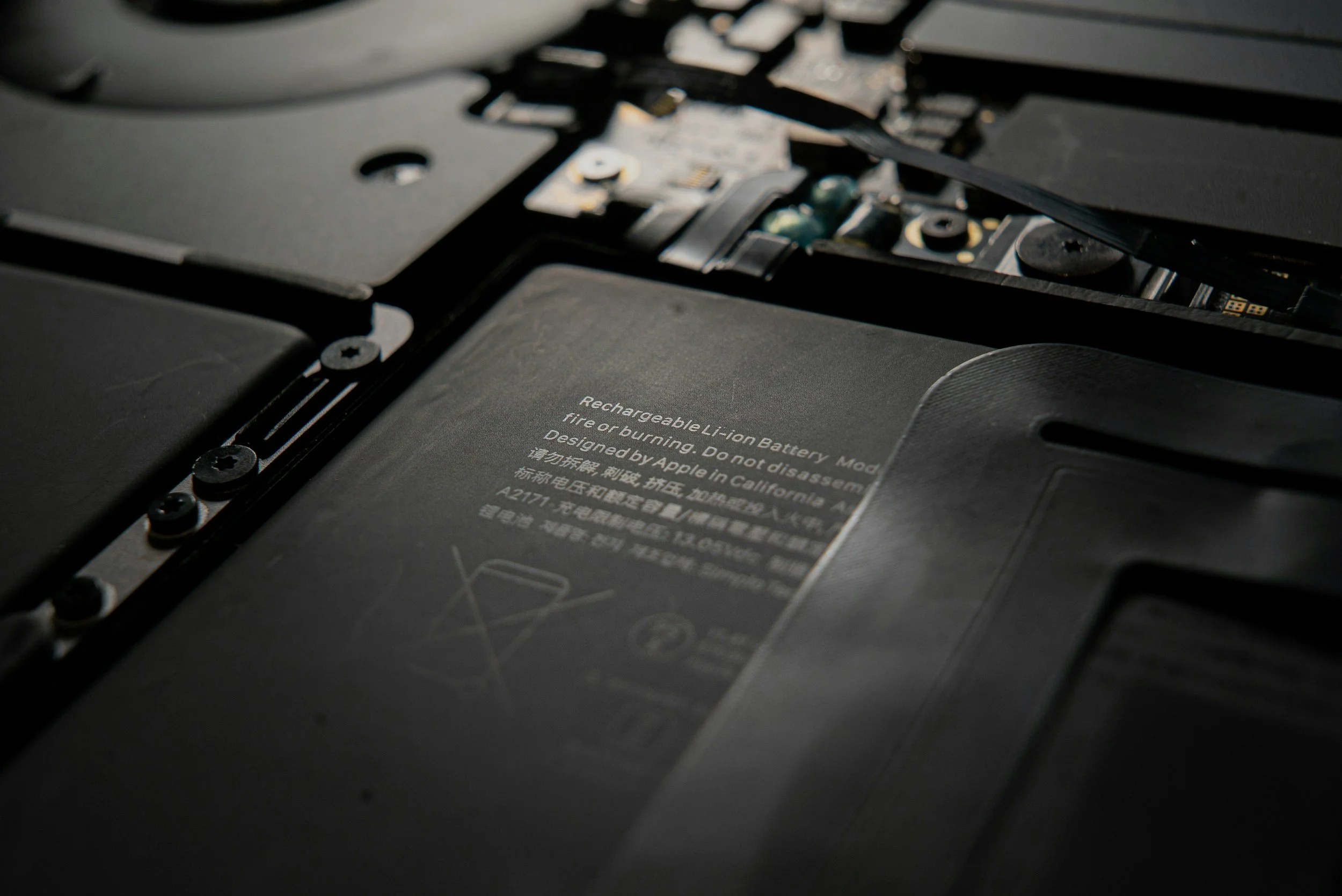
Lithium batteries power many of the devices people use every day, from phones and laptops to power tools, e-bikes, and backup battery systems. They are efficient and long-lasting, but when damaged, overheated, improperly charged, or handled the wrong way, they can fail in a dangerous way.
If a lithium battery explodes or catches fire, the priority is simple: protect people first, then handle disposal the right way.
At Sunada Recycling, we help businesses, offices, and residents manage electronics and battery-containing devices responsibly. This guide explains why lithium batteries can fail, how to recognize warning signs, what to do in an emergency, and how to recycle damaged battery-related e-waste safely.
If you are looking for secure and responsible electronics recycling options, explore Sunada Recycling’s services, e-waste pickup, and e-waste dropoff solutions.
Quick Answer: What Should You Do If a Lithium Battery Explodes?
If a lithium battery explodes, smokes, vents gas, or catches fire:
Move away from the device immediately.
Evacuate others from the area.
Call emergency services if there is fire, smoke, injury, or an active hazard.
Do not touch a damaged, leaking, or burning battery with bare hands.
Ventilate the area if it is safe to do so.
Do not put the battery in household trash.
After the situation is under control, arrange proper recycling through a qualified electronics recycler.
What Is a Lithium Battery and Why Is It Used So Often?
Lithium batteries are popular because they pack a lot of energy into a small space. That is why they are commonly found in:
Smartphones
Laptops
Tablets
Power tools
E-bikes and scooters
Portable medical devices
Backup batteries
Wireless accessories
Household electronics
Their performance makes them useful, but that same energy density also means they require careful handling at every stage: use, charging, storage, transport, and disposal.
For a broader look at responsible electronics disposal, Sunada’s guide on how to recycle electronics safely and responsibly is a helpful next read.
How Do Lithium-Ion Batteries Work?
A lithium-ion battery stores and releases energy by moving lithium ions between internal components during charging and use. In simple terms, the battery is designed to move energy efficiently and recharge many times over.
That efficiency is what makes lithium-ion batteries so valuable in modern electronics. But if something disrupts the battery’s internal structure, such as heat, puncture damage, manufacturing flaws, or charging issues, the battery can become unstable.
Why Do Lithium Batteries Explode or Catch Fire?
Lithium batteries usually fail because heat builds faster than the battery can control it. This can lead to a chain reaction inside the cell that causes smoking, fire, rupture, or explosion.
Common causes include:
Physical Damage
A battery that is crushed, punctured, dropped hard, or bent can suffer internal damage. This is especially common in damaged phones, warehouse devices, tools, scooters, and battery packs.
Overheating
Excess heat can stress the battery and increase the risk of failure. Leaving devices in hot cars, direct sun, or near heat sources can create dangerous conditions.
Improper Charging
Using damaged charging cables, incompatible chargers, or charging a battery after visible damage can increase the risk of overheating.
Aging or Degraded Cells
Older batteries may become unstable over time, especially after heavy use, poor storage conditions, or repeated exposure to heat.
Internal Defects
Sometimes the problem starts inside the battery itself. Poor-quality cells or hidden internal flaws can cause sudden failure without much warning.
Warning Signs a Lithium Battery May Be Failing
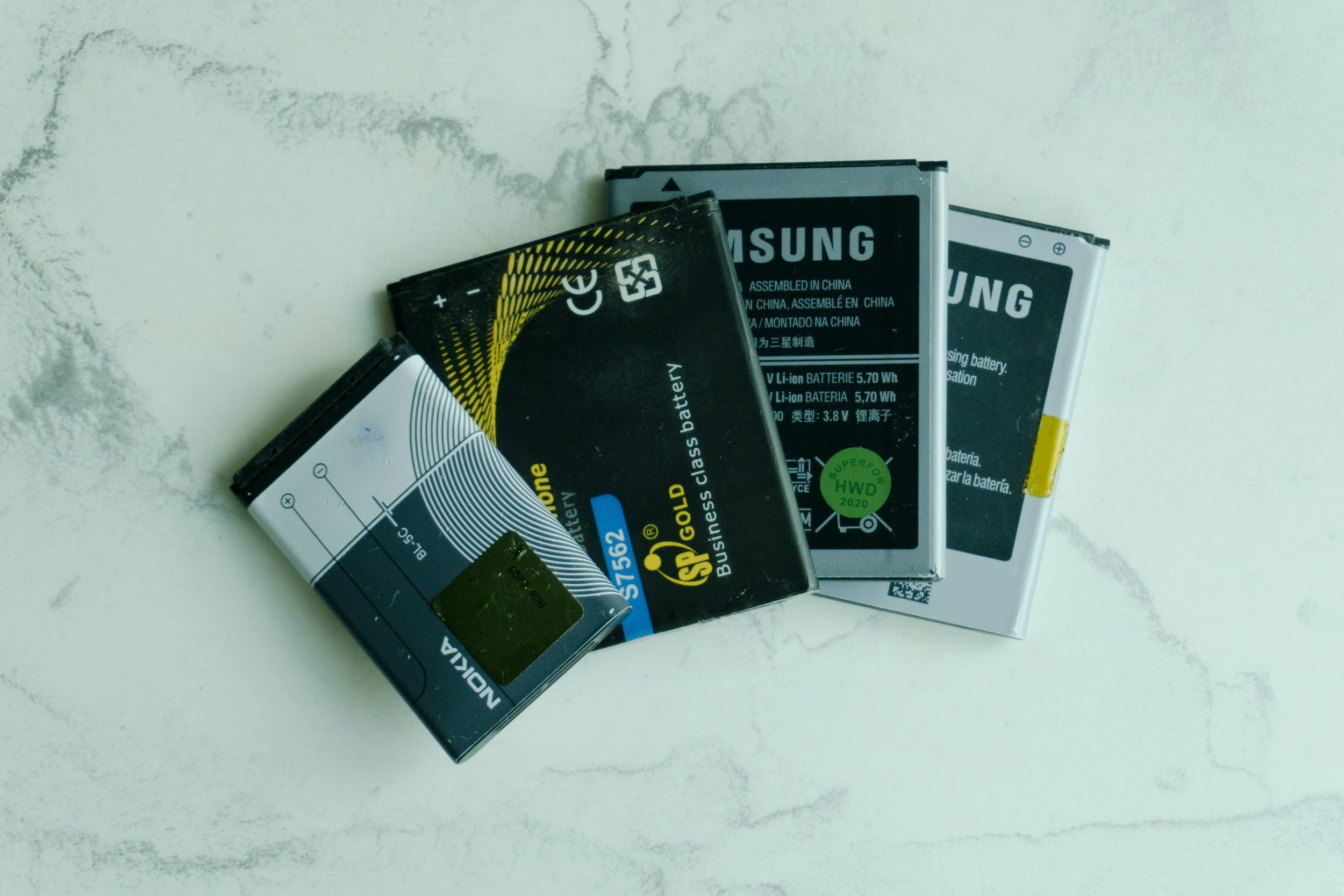
Not every battery gives clear notice before failing, but many do show early signs. If you notice any of the following, stop using the device right away:
1. Swelling or Bulging
A battery that looks puffed up, warped, or expanded should be treated as hazardous.
2. Excessive Heat
If the device becomes unusually hot during normal use, while charging, or even when idle, that is a serious warning sign.
3. Strange Smells
A chemical or sweet metallic smell may indicate the battery is venting.
4. Smoke or Hissing
Smoke, popping, crackling, or hissing sounds suggest immediate danger.
5. Charging Problems
A battery that charges inconsistently, drains abnormally fast, or stops working properly may be deteriorating.
6. Visible Leakage or Burn Marks
Any sign of residue, scorching, or melted casing means the device should be isolated and professionally handled.
If you handle old or defective electronics in an office, warehouse, or IT environment, Sunada’s article on common mistakes to avoid in computer recycling offers useful prevention guidance.
What to Do Immediately If a Lithium Battery Explodes
When a lithium battery explodes, vents, or ignites, respond quickly and carefully.
Step 1: Get Away From the Device
Do not stay near a smoking or burning battery. Create distance immediately.
Step 2: Evacuate People Nearby
If you are in an office, warehouse, retail area, or shared building, alert others and clear the area.
Step 3: Call Emergency Services
If there is an active fire, heavy smoke, toxic fumes, or injury, call 911 right away.
Step 4: Avoid Direct Contact
Do not pick up the battery or device with bare hands. Damaged batteries can release heat, toxic fumes, and corrosive materials.
Step 5: Ventilate the Area if Safe
Open windows or doors only if you can do so without putting yourself at risk.
Step 6: Do Not Throw It in the Trash
A damaged lithium battery should never go into regular garbage, recycling bins, or loose scrap piles.
Step 7: Arrange Proper Disposal
Once the situation is stable and safe, the damaged device should be handled through a qualified electronics recycling process.
Businesses with larger volumes of electronics can use Sunada Recycling’s e-waste pickup service. Smaller quantities may be better suited for e-waste dropoff or e-waste mail-in.
What Not to Do After a Battery Explosion
Just as important as knowing what to do is knowing what to avoid.
Do not:
Touch the battery with bare hands
Put the battery in household trash
Toss it into a general recycling bin
Continue charging the device
Store it indoors without isolation
Ignore smoke, swelling, or chemical odor
Mix damaged batteries with ordinary e-waste
Improper disposal can turn one damaged battery into a much larger fire risk during storage, collection, or transport.
How to Handle a Damaged Lithium Battery After the Emergency
After the immediate danger has passed, the damaged battery or battery-powered device still needs special care.
Best practices include:
Keep it away from flammable materials
Isolate it from other electronics
Avoid crushing or puncturing it further
Do not place it in standard office waste bins
Contact a qualified recycling provider for next steps
For companies managing end-of-life equipment, Sunada’s guide to secure and compliant IT disposal can help build safer disposal procedures.
Can You Recycle a Damaged Lithium Battery?
Yes, but it must be handled correctly.
Lithium batteries should be recycled through an electronics recycling provider that understands how to manage battery-containing devices safely and in compliance with applicable handling requirements. The key point is that recycling is still possible, but damaged batteries need special attention.
Sunada Recycling helps customers route electronics responsibly so hazardous battery waste does not end up in the wrong stream. If you are not sure how to handle a damaged item, the safest next step is to contact Sunada through the contact page.
How to Prevent Lithium Battery Fires Before They Happen
Prevention is the best strategy. Whether at home or in the workplace, these habits can reduce risk:
Use the Right Charger
Use manufacturer-approved or compatible charging equipment in good condition.
Avoid Heat Exposure
Do not leave battery-powered devices in hot cars, direct sunlight, or near heat-producing equipment.
Inspect Devices Regularly
Look for swelling, cracks, unusual heat, or charging problems.
Stop Using Damaged Electronics
A cracked phone, dented power tool battery, or damaged e-bike pack should not be treated as normal.
Recycle Old Electronics Promptly
The longer damaged or aging devices sit in storage rooms, desk drawers, or loading areas, the greater the risk.
If your business is dealing with outdated electronics, Sunada’s article on electronics recycling for corporate offices provides practical planning advice.
Why Proper Recycling Matters After a Battery Incident
A battery failure is not only a safety issue. It is also an environmental and operational issue.
When damaged battery-containing electronics are thrown away improperly, they can:
Trigger fires in trash trucks or waste facilities
Injure employees or maintenance staff
Contaminate waste streams
Create compliance problems for businesses
Increase liability and cleanup costs
That is why responsible recycling matters. Sunada Recycling helps divert electronics from improper disposal channels and supports safer e-waste management for homes, offices, and organizations.
You can also browse additional resources on the Sunada Recycling Blog for more guidance on electronics disposal, secure recycling, and compliance.
Frequently Asked Questions About Lithium Battery Explosions
What causes a lithium battery to explode?
Lithium batteries can explode because of overheating, physical damage, internal defects, improper charging, or severe degradation over time.
What are the signs of a bad lithium battery?
Common warning signs include swelling, overheating, strange odors, smoke, hissing, leakage, and unreliable charging.
Should you throw a damaged lithium battery in the trash?
No. Damaged lithium batteries should never go in household trash or standard recycling bins.
Can a swollen battery be dangerous?
Yes. A swollen battery should be treated as hazardous and removed from use immediately.
Where can I dispose of battery-containing electronics responsibly?
Sunada Recycling offers options including e-waste pickup, dropoff, and mail-in recycling, depending on your situation.
Final Thoughts
If a lithium battery explodes, the most important steps are to get people to safety, avoid direct contact, call for help when needed, and keep the damaged item out of the trash.
The second step is just as important: make sure the battery-powered device is handled through a responsible recycling process.
Sunada Recycling helps businesses and residents manage electronics more safely, from everyday e-waste to damaged battery-containing devices. If you need help deciding what to do next, contact Sunada Recycling or explore our services to find the right disposal option.